Garden Clearance in Hayes
Garden clearance in Hayes is a practical way to restore order to an outdoor space when cuttings, soil bags, broken pots, branches or mixed green waste begin to take over. Our service focuses on clearing away garden material efficiently, separating reusable items where appropriate and removing bulky debris that is awkward to deal with by hand. It is suited to routine tidy-ups, seasonal clear-outs and more involved overgrowth clearance that needs a methodical approach.
We handle a range of outside materials, from prunings and hedge cuttings to old sleepers, damaged fencing sections and general garden clutter. Where a job includes heavier or mixed waste, we plan the work so it can be removed safely and tidily. If you are comparing garden clearance options, the key is to match the work to the amount and type of material rather than treating every job as the same. Clear access, sensible sorting and careful loading all help the process run smoothly.
For a straightforward quotation, tell us what needs clearing and when you would like the work carried out. You can keep it brief at first and add detail later if the job turns out to be larger or more varied than expected. If you need garden waste and mixed outdoor items taken away together, we can discuss the most suitable way to approach it and prepare a quotation that reflects the actual work involved.
What our garden clearance service covers
The service is built around removing unwanted garden material from domestic and commercial outdoor spaces in a way that leaves the area ready for the next stage, whether that is maintenance, landscaping or simple everyday use. We can clear loose organic waste, old garden fittings and accumulated clutter from paths, borders, patios, sheds and side access areas. The aim is to remove what no longer needs to stay while keeping the remaining space as undisturbed as possible.
Garden clearances often involve several different waste types in one job, so the work needs to be handled with some care. Branches, soil, turf, weeds and plant matter can usually be moved differently from broken paving, plant containers or timber offcuts. A clear description helps us prepare the right approach, but it does not need to be lengthy. Garden clearance is most effective when the collection plan matches the exact mix of materials on site.
Some customers only need a light seasonal tidy, while others need a much fuller clear-out after a period of neglect or after garden features have been removed. In either case, we focus on practical removal rather than unnecessary disruption. If you are unsure what should stay and what should go, a simple walk-through or itemised list can help shape the scope before the work is booked. That keeps the quotation accurate and the job easier to carry out.
Garden waste, branches and green material

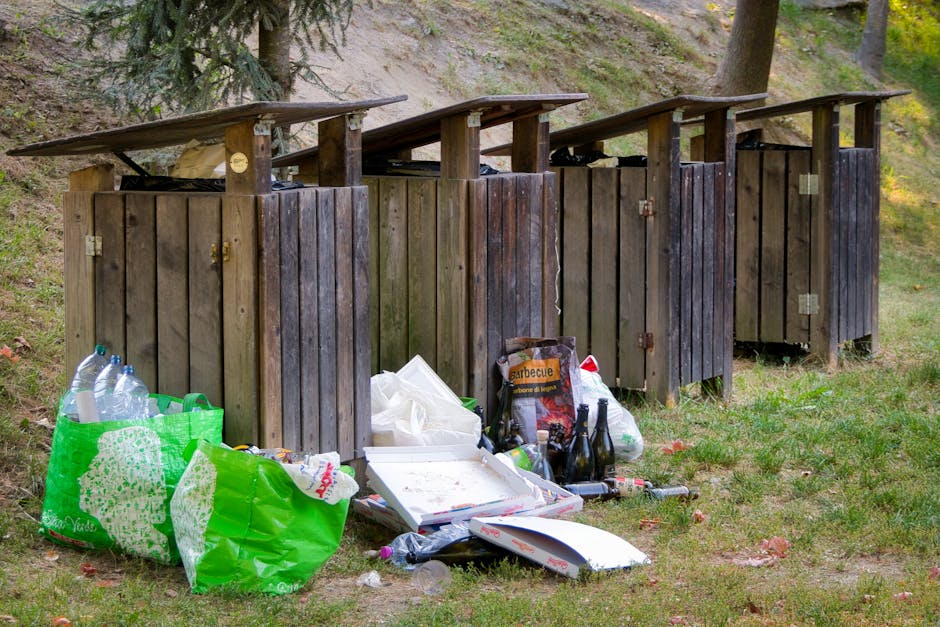
Green waste is the most common part of many clearances, and it is often the most time-sensitive because it can quickly take over beds, paths and corners of the garden. We remove cut grass, hedge trimmings, weeds, leaves, small branches and other plant material that has built up after maintenance or weather damage. When the job contains mixed organic waste, we sort it sensibly so that loading and removal are efficient rather than rushed.
There is a clear difference between a neat pile of cuttings and a heavily tangled mass of branches, brash and rooted waste. The second type of job usually takes longer to break down and load, especially where access is tight or the material has become compacted. If you are planning around the work, think about whether there are any awkward sections such as thorny shrubs, damp compost, or heavier roots. Those details help us judge the right scale and method for the clearance.
We also deal with garden debris that comes from periodic tidy-ups rather than one large project. This can include waste from pruning, border reshaping, removing dead planting or clearing after storm damage. If your outdoor area has a mixture of cuttings and non-organic items, a combined clearance can be more straightforward than arranging separate visits. Use the enquiry stage to mention what is present, and we can advise on the most suitable way to quote the work.
Broken items, old fittings and awkward outdoor waste
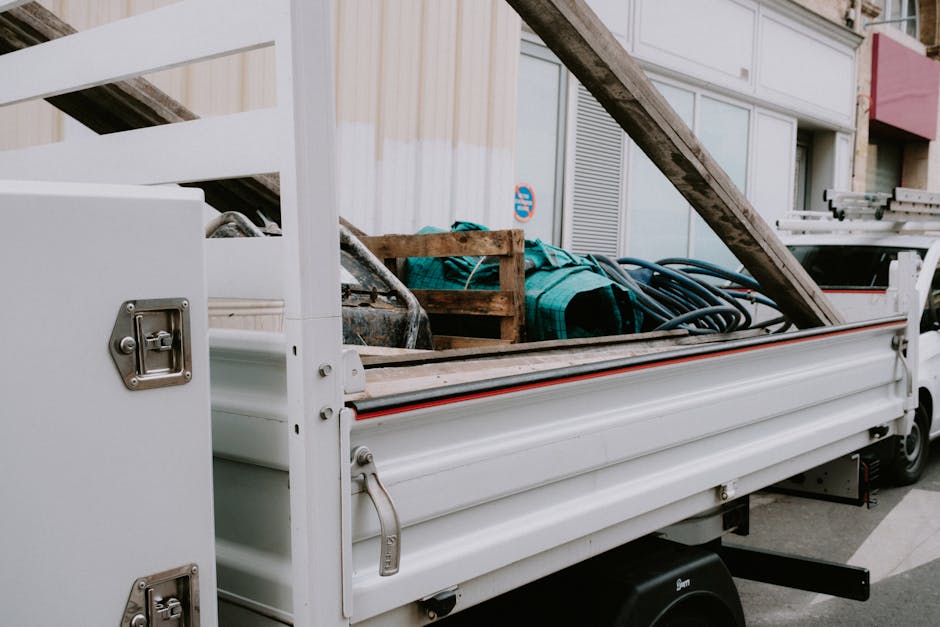
Many garden clearances go beyond plant waste. Old pots, planters, trellis, timber offcuts, damaged sheds, worn decorative items and other outdoor clutter often need to be removed alongside green material. These items may be light in themselves, but they can be awkward to carry, especially if they are stacked in corners, tucked under growth or mixed with loose waste. Clearing them together can make a garden easier to use and easier to maintain.
Where the job includes heavier or bulkier pieces, it helps to think about how they are positioned. Items stacked behind other materials or stored in narrow side access routes may require more handling time than items already gathered in one place. Furniture disposal is not the same as garden clearance, but the same principle applies: the volume, weight and accessibility of the items shape the work needed.
We can also help where outdoor clutter has accumulated gradually and become hard to separate from the garden itself. That might include mixed timber, broken exterior storage, faded ornaments or redundant equipment that no longer serves a purpose. The aim is not simply to lift items away, but to leave the remaining space clearer and more manageable. If the garden includes both waste and reusable materials, it is useful to say so before the quotation is prepared.
How we plan a clearance safely
Good planning matters because outdoor clearances can involve uneven ground, slippery paths, thorny growth, loose rubble and items that are heavier than they first appear. We approach the work with attention to access, sorting and loading so that the garden is cleared without unnecessary damage to surfaces or remaining plants. Safety is not a separate extra; it is part of doing the job properly from the start.
In practical terms, the process usually begins with understanding how much material is present and how it is spread across the space. A compact pile near a drive is very different from a long boundary line of waste or a back garden with limited access. Health and safety policy matters most where manual handling and site conditions need careful control, and the quotation should reflect those realities rather than a basic estimate made in isolation.
If you are preparing a request, a few clear notes are enough:
- what type of garden material needs removing
- whether the waste is piled together or spread around the garden
- if there is narrow access, steps or uneven ground
- whether any items are especially heavy, damp or bulky
Clearances for larger outdoor tidy-ups

Some jobs are not just about cuttings and light debris. Overgrown gardens, neglected boundaries and spaces used for storage can contain layers of mixed waste that need to be worked through in stages. In those cases, the clearance is often as much about creating a workable space as it is about removing visible clutter. We can remove the built-up material and help you regain access to the parts of the garden that are no longer easy to reach.
When a garden has been unused for a while, the waste may include soil spoil, root balls, tangled vegetation and old fixtures that have become partly hidden. That can make it harder to judge the full scope from a quick glance. A broader description, or a few photographs if you are sending them, helps the quotation reflect the genuine amount of work. Home clearance is a different service, but the same principle of accurate scope applies when a property has both indoor and outdoor clutter.
We always aim to keep the process sensible and proportionate. A larger clearance does not need a complicated approach, but it does benefit from clear understanding at the outset. If you are tackling a garden that has several different problem areas, mention them in the same enquiry so they can be considered together. That is often easier than splitting the work into several separate requests, especially when access is shared.
Seasonal and one-off garden clearance
Seasonal work often centres on leaves, hedge cuttings, prunings and the general accumulation that follows a busy growing period. One-off clearances can be more varied, especially where a garden has been left for a long time or has recently changed use. We handle both types of job with the same practical focus: remove the waste, reduce the clutter and leave the outdoor area more workable for whatever comes next.
For regular maintenance, the most useful approach is often to clear what has built up before it becomes difficult to move. For a one-off project, the focus may be on larger volumes, heavier items or waste left behind after hard landscaping, planting changes or household decluttering. Waste removal covers the general principle, while garden clearance applies that approach to the outdoor space and the specific materials found there.
Either way, it helps to think in terms of outcomes rather than just the pile of waste itself. Do you want the garden fully cleared, a particular section opened up, or only certain materials taken away? A clear outcome makes it easier to shape the job properly and to avoid confusion about what is included. That is especially useful where mixed waste and plant material are involved.
Costs, access and quotation details
Garden clearance pricing is usually influenced by the amount of waste, the type of material, the level of access and how much sorting is needed before loading. A light tidy of easily reached cuttings will naturally differ from a larger clearance involving bulky timber, old garden fittings or waste spread across several corners of the property. Rather than guessing, it is better to base the quotation on the actual task.
We do not ask for unnecessary detail, but a little practical information goes a long way. If the waste is already gathered, say so. If it is still mixed through the garden, mention that as well. If a side passage is narrow or steps are involved, that is worth noting too. Pricing and quotes is where customers can learn more about how enquiries are handled, but the immediate aim is simply to describe the clearance accurately enough for a sensible response.
When jobs include a mixture of garden waste and other clutter, the best quotation is usually the one that recognises the full scope from the outset. That avoids the need to rework the plan later. If you are unsure whether an item belongs in the garden clearance or should be handled separately, just include it in the description and let us assess it as part of the overall request.
About Hayes
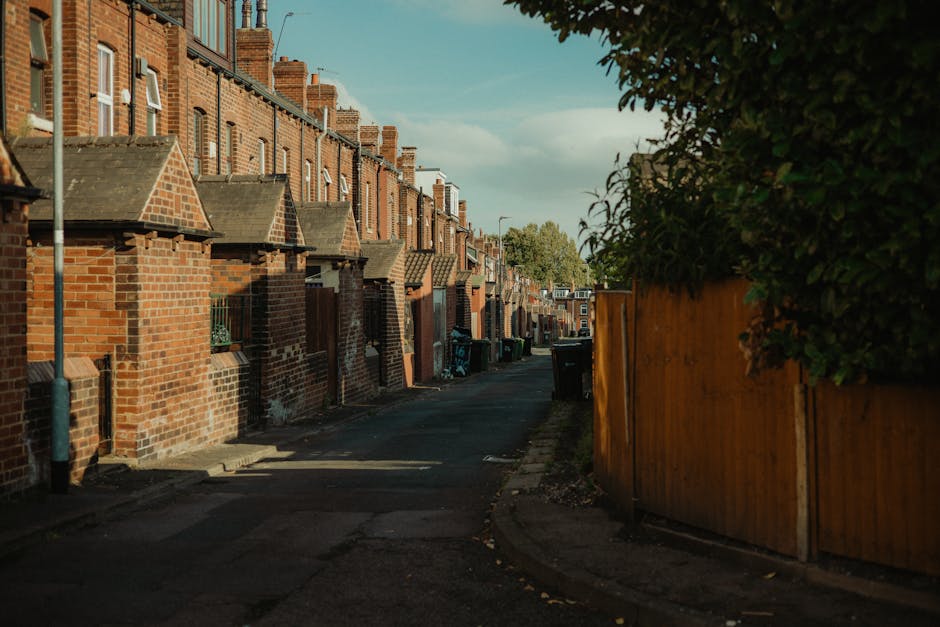
Hayes is a town in west London within the London Borough of Hillingdon, with roots that stretch back through its historic parish landscape and later industrial development. The area grew significantly after the arrival of transport links, and that pattern of growth still shapes its streets and local identity. Traditional neighbourhoods sit alongside more recent residential and commercial development, giving Hayes a layered character rather than a single uniform centre. Its history includes village origins, suburban expansion and the influence of canal, railway and road connections, all of which helped transform it over time. The Grand Union Canal passes through the wider area, adding a distinctive waterway presence to parts of the town and linking it to the broader network that has long served west London. Local green spaces provide relief within the urban fabric, and parks remain important to daily life in the area. Hayes also has well-known landmarks associated with culture and industry, including the former EMI complex at Hayes, which reflects the town’s role in Britain’s recording and manufacturing history. Churches, schools and civic buildings in the district add further historic depth, while the modern town centre shows how the area has continued to evolve. The result is a place with an urban working character, local heritage and a mix of older and newer architecture that together form a recognisable west London community.
Choosing the right clearance for your garden
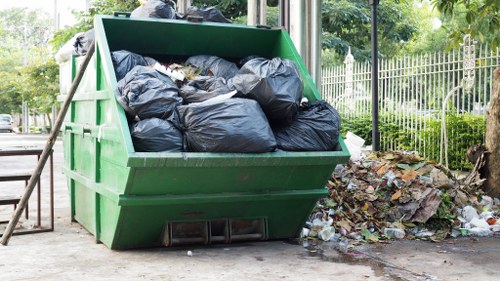
Not every outdoor job needs the same level of involvement, so it helps to define the work before it begins. A simple clear-out may focus on visible garden waste and a few disused items, while a fuller clearance can involve several material types and more time spent separating what needs to go. If the space has been used as overflow storage, or if a previous project has left behind offcuts and rubble, it is worth mentioning that early on.
To keep the process straightforward, it can help to note whether the items are already grouped together, whether anything is fragile or awkwardly placed, and whether you need the whole garden cleared or only particular zones. Garage clearance may be relevant when outdoor storage spills out from sheds or side areas, but garden work remains focused on the outdoor setting and the materials found there. That distinction matters when the site includes more than one kind of clutter.
We also consider how the clearance will affect the remaining garden layout. If you plan to keep certain planters, screening or paving in place, those details should be mentioned so the work can be carried out carefully. A clear brief helps avoid unnecessary lifting and keeps the outcome closer to what you actually need. It is often the simplest way to turn a vague request into a useful quotation.
Garden spaces with mixed materials

Many gardens contain more than one type of material, especially after maintenance work or a period of neglect. It is common to find green waste, timber, plastics, soil, old containers and the remains of minor repair work together in the same area. Mixed-material clearances need a practical order of work so that lighter items are not buried under heavier debris and waste can be removed without avoidable rehandling.
Where the contents are mixed, one useful approach is to identify the larger items first, then note the loose material around them. That helps shape the sequence of removal and gives a better sense of overall size. Recycling and sustainability is relevant where items can be separated thoughtfully, but the main priority remains the safe and tidy removal of the garden waste itself. If you want the whole area cleared in one visit, say so when you enquire.
For a quotation, the most helpful final step is simply to describe the garden as it is now, not as you hope it will look after the work. That gives a more accurate basis for planning. If you are ready to move ahead, send the key details and ask for a quote. We will use the information to match the clearance to the job at hand and keep the process clear from the start.